 The Fresh Fix
Unlock lasting freshness for your produce.
The Fresh Fix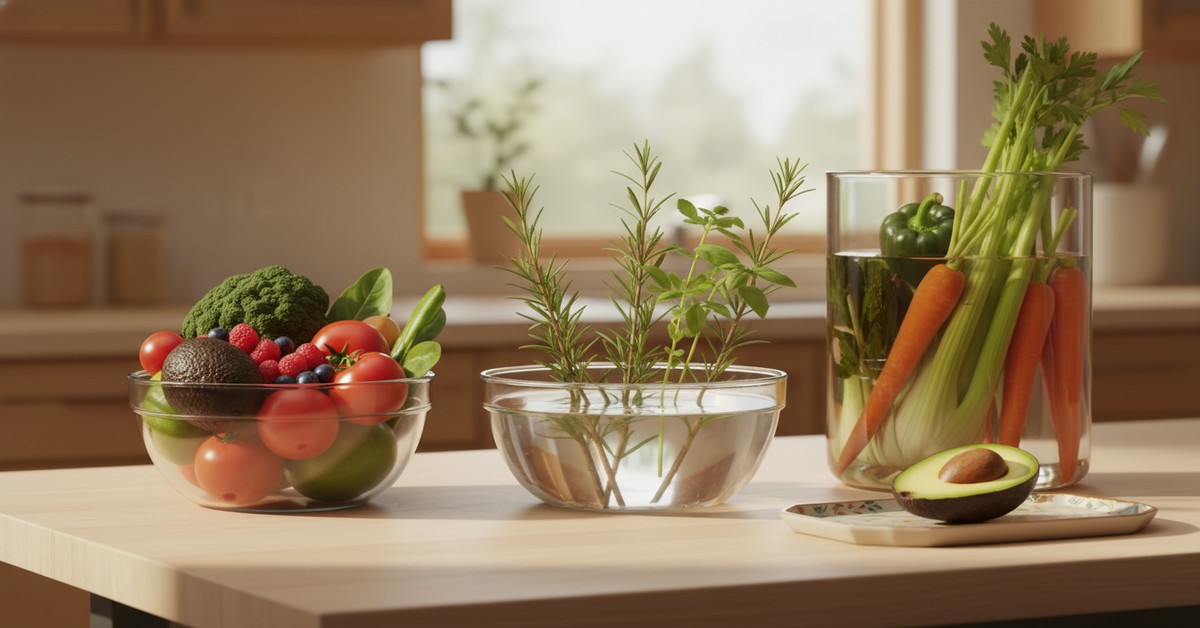
Walk into almost any kitchen, and you’ll find a neatly organized refrigerator, perhaps with fruits and vegetables tucked away in crisper drawers. It’s a visual standard we’ve all come to accept as the hallmark of good food storage. Yet, what if some of these seemingly tidy practices are actually shortening the life of your fresh produce? What if the most effective way to store certain items looks, well, a little… messy, or even wrong?
Many home cooks fall into the trap of universal refrigeration or generic storage, believing that cold is always best, or that a plastic bag is suitable for everything. This common misconception often leads to prematurely wilted greens, rubbery carrots, or bland tomatoes. The visual expectation of a pristine fridge often overrides the specific needs of individual produce items.
Walk into almost any kitchen, and you’ll find a neatly organized refrigerator, perhaps with fruits and vegetables tucked away in crisper drawers.
The habit we're discussing involves understanding the unique atmospheric and temperature requirements of different fruits and vegetables. For instance, have you ever seen someone store avocados or bananas on the countertop, sometimes even bundled together in a brown paper bag, while apples are kept separately? Or perhaps fresh herbs standing upright in a glass of water, resembling a miniature bouquet, rather than sealed in a plastic bag?
These methods might appear less "organized" or go against the grain of typical refrigeration, but they are often key to significantly extending the shelf life and preserving the flavor and nutritional value of your produce.
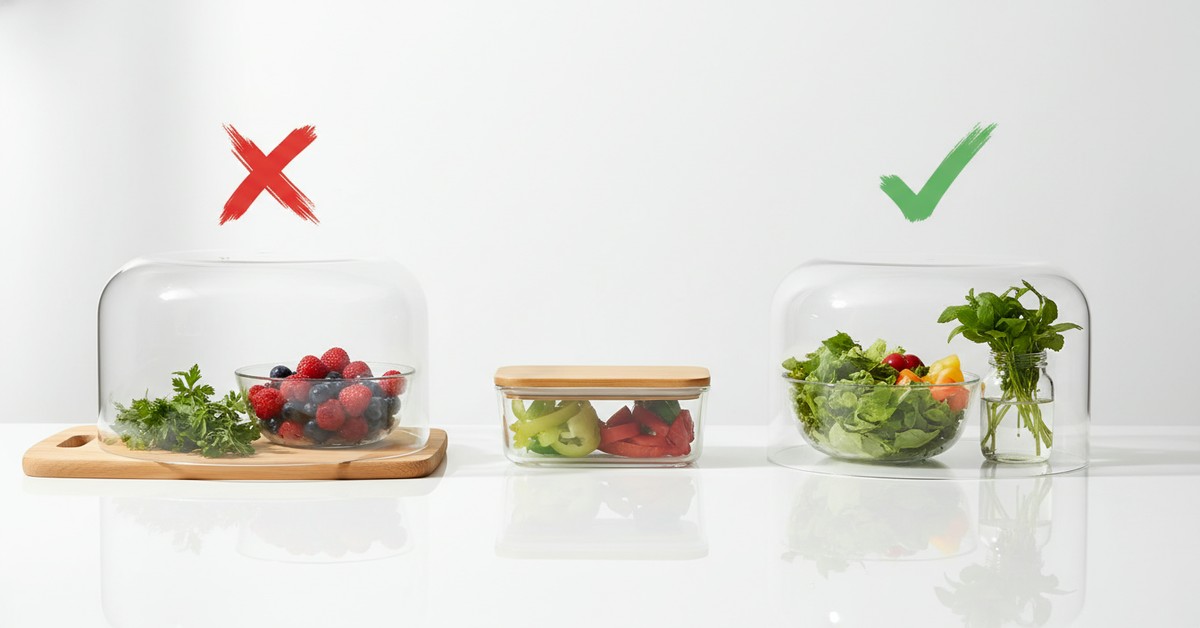
The core principle is ethylene gas. Many fruits, like apples, bananas, and avocados, produce ethylene as they ripen. This gas acts as a ripening hormone, and while essential for their development, it can prematurely ripen and spoil other sensitive produce stored nearby. Storing these "ethylene producers" separately, often at room temperature or in specific environments, prevents them from accelerating the decay of their neighbors.
Conversely, some vegetables, like leafy greens, thrive in high humidity but need air circulation to prevent rot. Sealing them tightly in plastic can trap moisture and accelerate spoilage, leading to that visually unappealing sliminess. A damp paper towel in a loosely sealed bag, or even standing upright in water, provides the ideal balance.
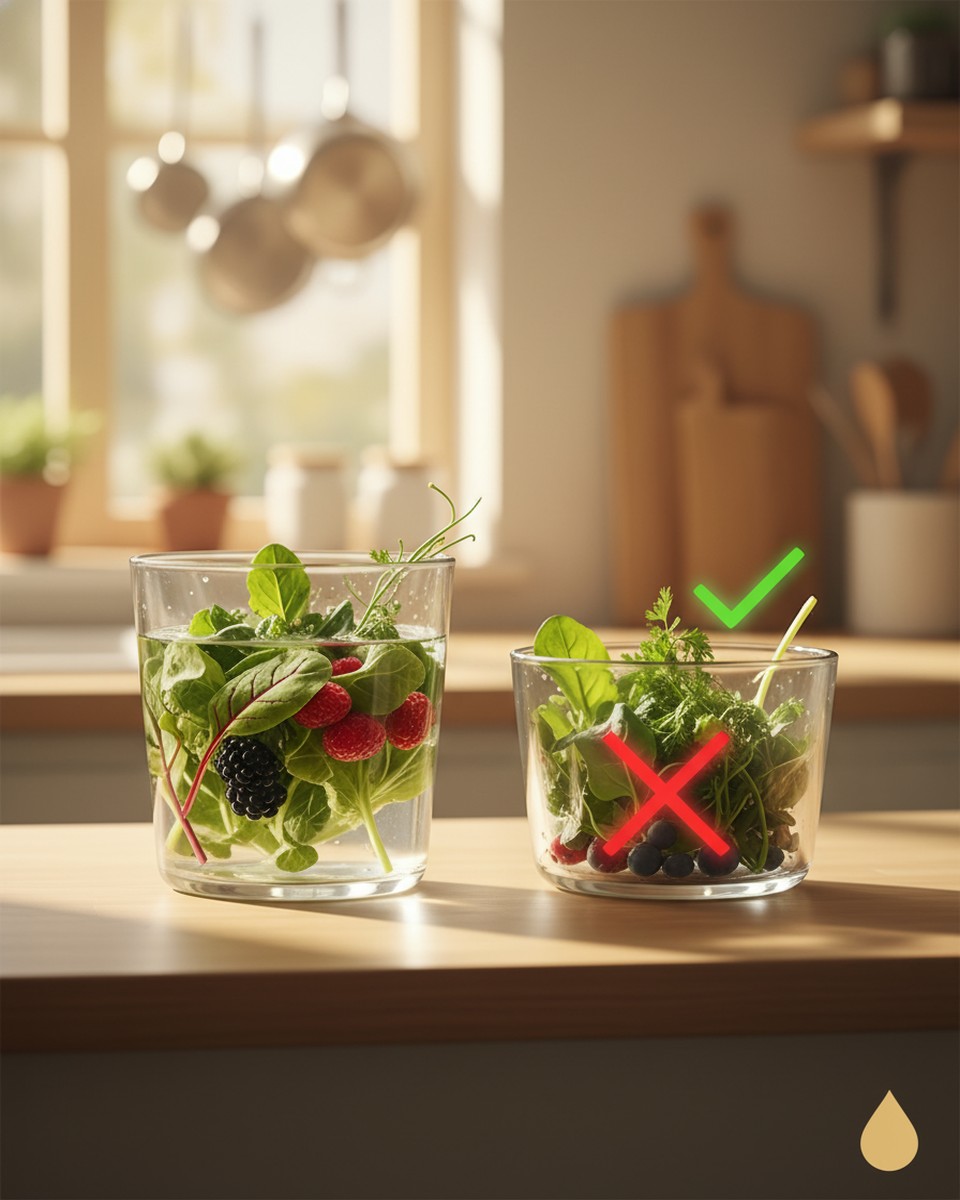
As Good Housekeeping advises, understanding the individual needs of your produce is paramount. It's not about one-size-fits-all storage, but a tailored approach. Similarly, WikiHow details various methods, often emphasizing that the visual presentation of "organized" produce in a fridge isn't always the most effective for its longevity.
By adopting these seemingly unusual, but scientifically sound, kitchen habits, you'll not only double the life of your produce but also reduce food waste and enjoy fresher, more flavorful ingredients. It’s a simple shift in perspective that yields significant results, challenging what looks "right" in favor of what truly works.