 The Fresh Fix
Unlock lasting freshness for your produce.
The Fresh Fix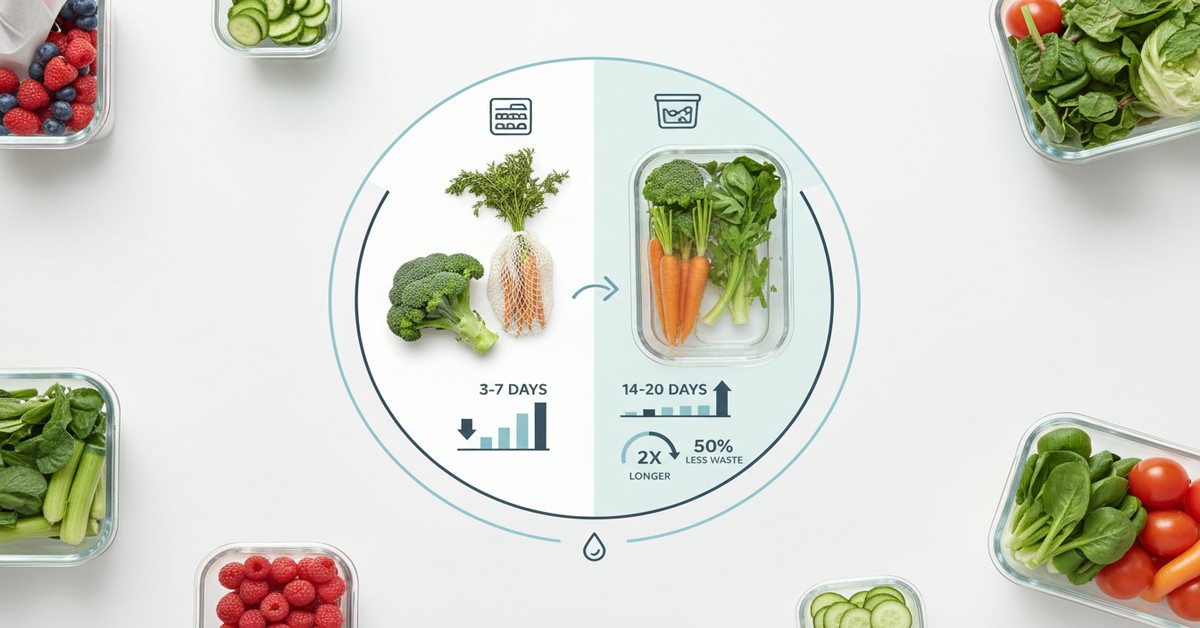
In the quest for longer-lasting groceries and reduced food waste, many instinctively store every fruit and vegetable in the refrigerator, believing colder is always better. But what if one common kitchen habit, which often looks counter-intuitive, actually cuts your produce’s life short? And conversely, an unusual approach could double its longevity and flavor? The visual cues we rely on for freshness can be misleading. Understanding these subtle, often overlooked, principles is key to maximizing your harvest.
In the quest for longer-lasting groceries and reduced food waste, many instinctively store every fruit and vegetable in the refrigerator, believing colder is always better.
Placing tomatoes in the refrigerator seems like common sense. Cold slows decay. However, tomatoes suffer significantly in a cold environment. According to Good Housekeeping, chilling tomatoes below 50°F breaks down cell membranes, leading to a mealy, bland texture and robbing them of vibrant flavor. Visually, a refrigerated tomato might look fine, but its internal quality deteriorates. The "unusual habit" is simply leaving them on the counter, stem-side down, away from direct sunlight, allowing them to retain juicy, firm texture and rich taste for up to two weeks.
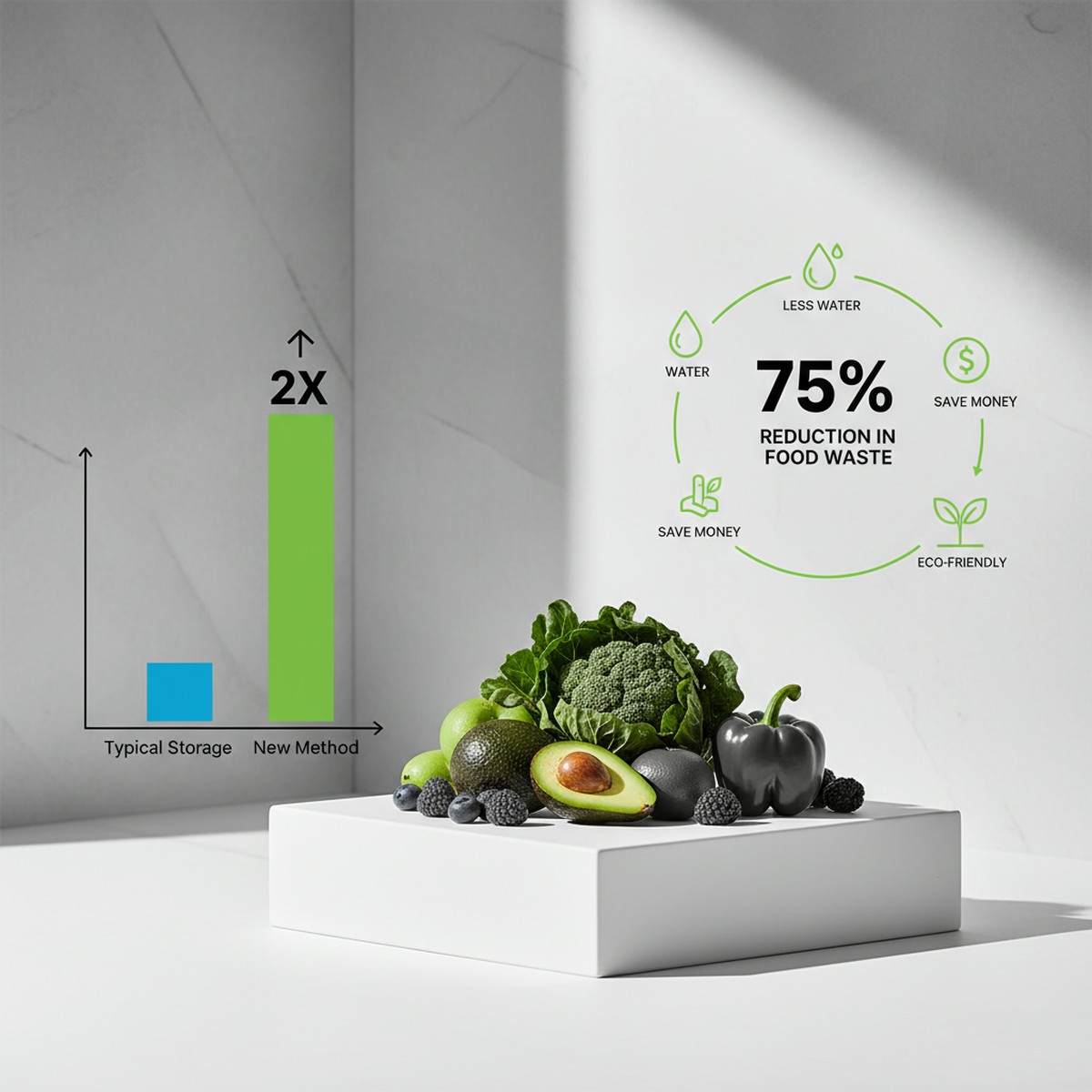
Another visually deceptive scenario involves ethylene gas, a natural plant hormone accelerating ripening. Certain fruits, "ethylene producers," release significant amounts of this gas, prematurely ripening and spoiling sensitive produce nearby. Bananas are notorious producers. Visually, nothing seems wrong with a mixed fruit bowl, but if you notice other fruits like apples or avocados ripening faster, bananas are likely the culprit. The unusual habit? Storing bananas separately from other fruits and vegetables, perhaps even hanging them for better air circulation. The USDA recommends keeping ethylene producers away from ethylene-sensitive produce to extend their life dramatically.
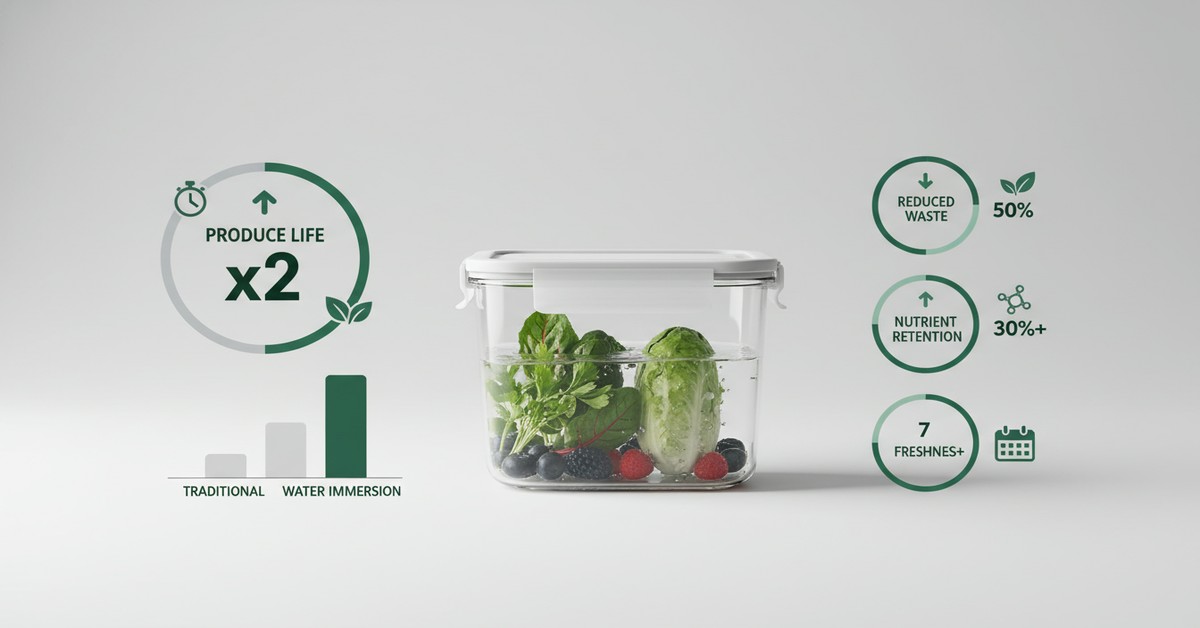
While not strictly a "visual challenge" like tomatoes, the storage of potatoes and onions often defies intuition. Many are tempted to refrigerate them. However, cold temperatures convert potato starch into sugar, affecting taste and texture, and causing sprouting. Onions can also become soft and moldy quickly in the fridge. The more effective, yet less intuitive, habit is to store them in a cool, dark, and dry place—like a pantry or cupboard—with good air circulation, and crucially, separately from each other. Storing them together accelerates spoilage for both.
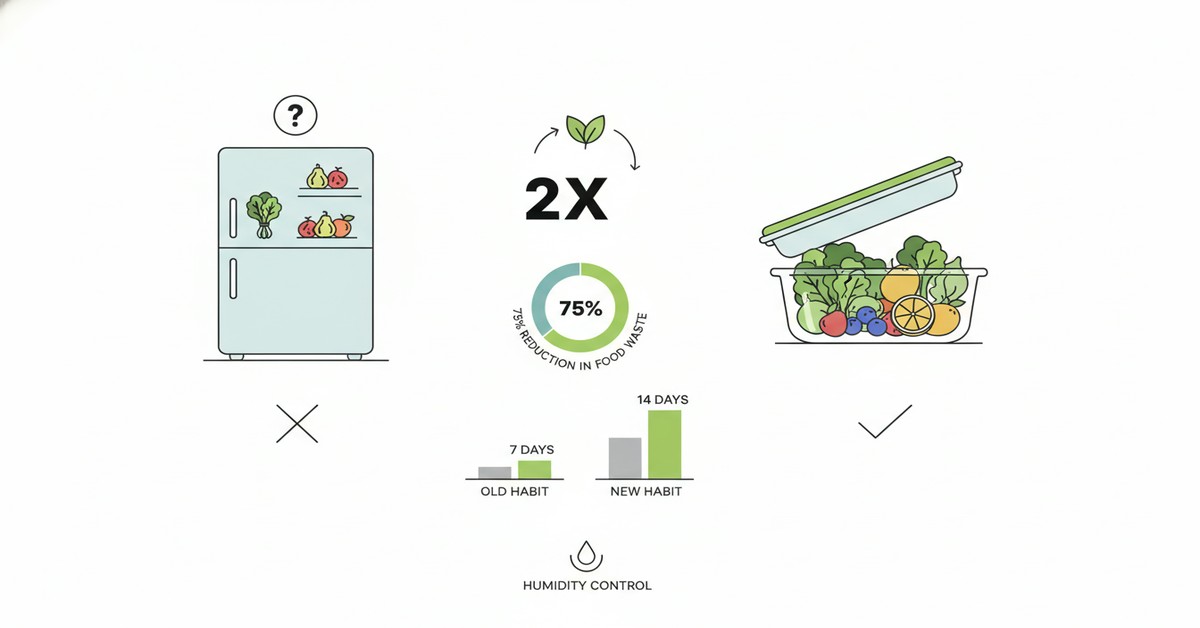
By understanding these counter-intuitive storage methods, you're not just preserving food; you're preserving its quality, flavor, and your wallet. Why this unusual kitchen habit looks wrong but actually doubles produce life boils down to respecting each item's specific needs. What looks like leaving food out to spoil is often the very act that keeps it vibrant and delicious. Consider if your produce truly belongs in the fridge, or if a different, perhaps visually unconventional, approach will yield better, longer-lasting results.
Adopting these simple shifts can significantly reduce food waste, ensure you get the most out of your fresh produce, and make meals taste better. Challenge your storage assumptions and enjoy smarter food preservation.