 The Fresh Fix
Unlock lasting freshness for your produce.
The Fresh Fix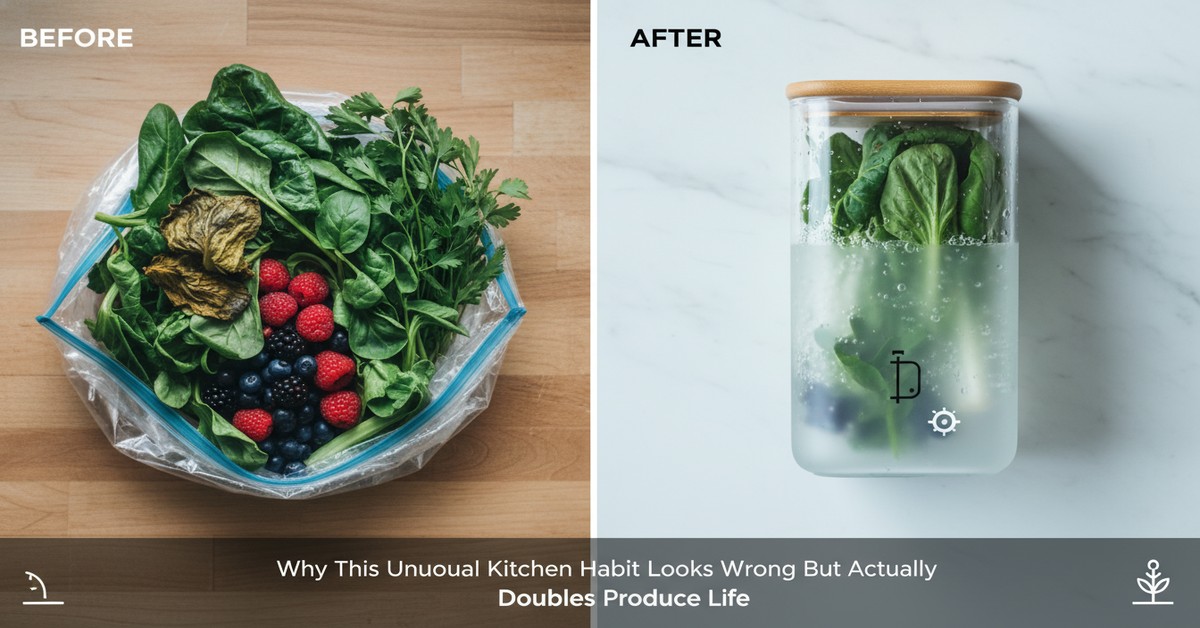
You walk into a kitchen and something catches your eye. A bunch of carrots, perhaps some celery, or maybe even a bouquet of fresh herbs, all standing upright in a jar of water on a shelf or tucked away in the fridge. Your first thought might be, "Why are they storing their vegetables like flowers? That looks a bit odd, doesn't it?" This visual challenge is precisely what we're here to explore in our case study on Why This Unusual Kitchen Habit Looks Wrong But Actually Doubles Produce Life.
For generations, we’ve been taught to store most vegetables in the crisper drawer, often sealed in plastic bags. While this method has its merits, it’s not always the optimal solution for every type of produce. The counter-intuitive habit of storing certain moisture-loving vegetables in water can dramatically extend their freshness, vibrancy, and crispness, far beyond what traditional dry storage offers.
The science behind this "visual paradox" is surprisingly simple. Many vegetables, especially those with high water content like celery, asparagus, carrots, and leafy greens, continue to lose moisture after being harvested. Storing them upright in water allows them to rehydrate through their cut stems, much like a cut flower absorbs water to stay fresh. This process, often referred to as maintaining turgidity, keeps their cells plump and firm, preventing the wilting and limpness that often signal the end of a vegetable's shelf life.
It "looks wrong" because it deviates from our ingrained notions of how food should be stored – usually dry, contained, and out of sight. Placing a jar of celery stalks in water on a fridge shelf can seem messy or unconventional, yet the benefits in terms of extended freshness are undeniable. This method helps maintain the vital hydration that makes produce not just last longer, but also taste better and retain its nutritional value for an extended period.
The result? You can effectively double the life of your produce, significantly reducing food waste and saving money on your grocery bill. Instead of tossing wilted greens or rubbery carrots after just a few days, you can enjoy crisp, fresh vegetables for weeks. According to resources like Good Housekeeping, ensuring adequate hydration is a critical, yet often overlooked, factor in maintaining the longevity of fresh produce, particularly herbs and certain crunchy vegetables.
So, which produce benefits most from this visually unusual but highly effective storage method? Fresh herbs like parsley, cilantro, and basil thrive when their stems are placed in an inch or two of water, covered loosely with a plastic bag, and refrigerated. Similarly, asparagus, celery, and carrots can be stored upright in a jar with an inch of water at the bottom, then placed in the fridge. Just remember to change the water every couple of days to keep it fresh. The USDA also emphasizes methods that minimize moisture loss to preserve the quality and safety of fresh foods, aligning with the principles of this hydration-focused approach.
Don't let the unconventional appearance deter you. This simple change in your kitchen routine can revolutionize how long your fresh produce lasts, challenging your visual expectations while delivering impressive, tangible results. Give this unusual habit a try and see your fruits and vegetables stay vibrant for longer.