 The Fresh Fix
Unlock lasting freshness for your produce.
The Fresh Fix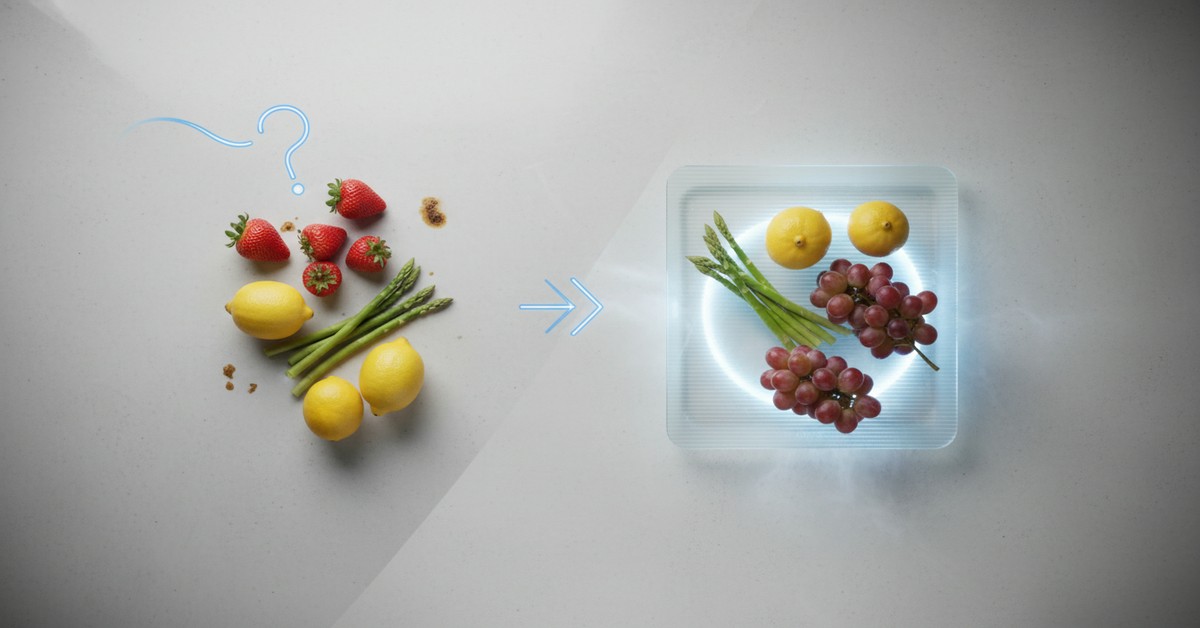
In the quest for a more sustainable kitchen and fresher ingredients, many of us battle the inevitable wilting of produce. From leafy greens to crisp carrots, it often feels like a race against time before our fresh purchases turn limp. But what if a simple, seemingly counter-intuitive habit could dramatically extend their life? Welcome to Why This Unusual Kitchen Habit Looks Wrong But Actually Doubles Produce Life.
The habit in question often involves water, and for many, it flies in the face of conventional wisdom. We're taught to keep produce dry to prevent spoilage, yet for specific items, a little hydration is precisely what they need. Imagine placing a bunch of fresh parsley or cilantro upright in a glass of water on your counter or in the fridge, much like a bouquet of flowers. Or perhaps submerging crisp vegetables like carrots and celery entirely in a container of water within your refrigerator. To the untrained eye, this might look like you're actively trying to rot your food or make it soggy. It's a visual challenge, a concept that appears fundamentally incorrect for food preservation.
So, why does this "wrong" approach actually work so well? The key lies in understanding how certain plants maintain their turgidity and freshness. Many vegetables, especially those with high water content or delicate leaves, continue to draw moisture through their stems or surface even after being harvested. When they lose too much moisture through transpiration, they begin to wilt and become limp. By providing a continuous, controlled supply of water, we effectively rehydrate these cells and slow down the wilting process.
According to Good Housekeeping, proper hydration is crucial for extending the shelf life of many fresh herbs and vegetables. They often recommend methods similar to flower arrangements for items like asparagus, parsley, cilantro, and basil. By placing the cut ends in a small amount of water, these items can remain vibrant and crisp for days, sometimes even weeks, longer than if simply stored dry.
For harder, root-like vegetables such as carrots, celery, or even radishes, complete submersion in water in an airtight container can work wonders. The water creates a protective barrier, preventing moisture loss and keeping them firm. Just be sure to change the water every few days to maintain freshness. This method can transform sad, bendy carrots into crisp, snackable delights, significantly reducing food waste in your kitchen.
WikiHow, a popular resource for practical how-to guides, also details various methods for extending vegetable freshness, including water-based storage techniques for specific produce types. Their guides emphasize the importance of understanding the individual needs of different fruits and vegetables to optimize their storage conditions.
While this habit might initially challenge your perception of food storage – looking "wrong" to those accustomed to dry, air-tight methods – the results speak for themselves. You'll notice a remarkable difference in the crispness, color, and longevity of your produce. Less wilting means less waste, more flavor in your meals, and ultimately, more savings. It's a simple, effective way to get more out of your groceries and embrace a more sustainable approach to kitchen management.