 The Fresh Fix
Unlock lasting freshness for your produce.
The Fresh Fix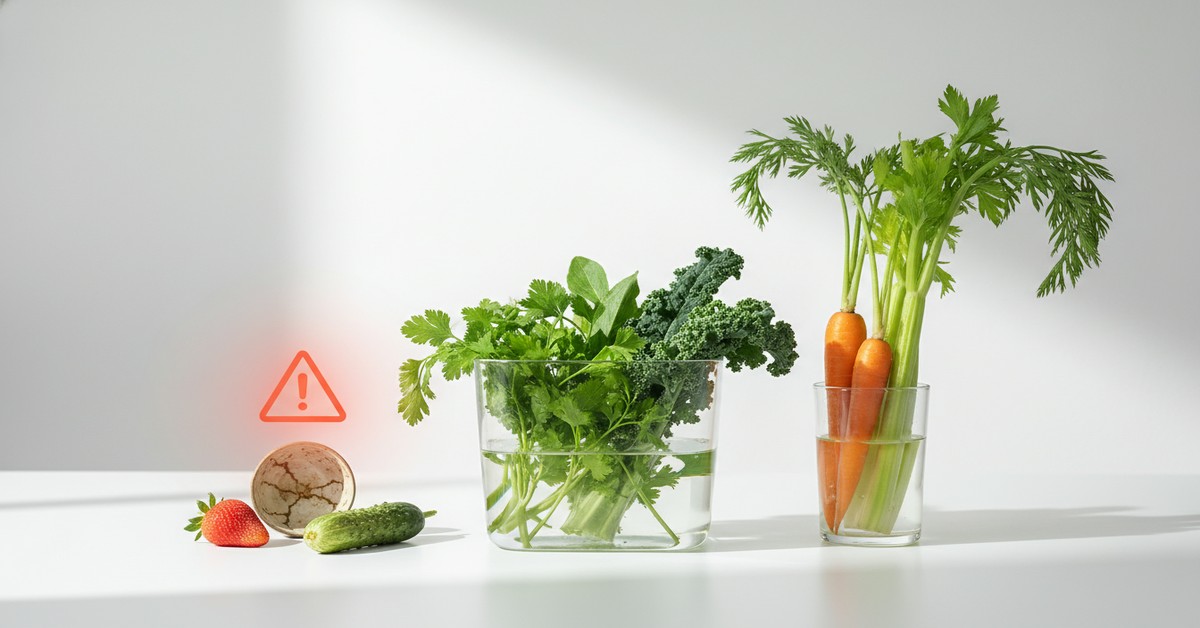
In the quest for fresh produce, many of us fall prey to what seems like logical storage solutions, only to find our fruits and vegetables wilting or spoiling prematurely. There's a particular kitchen habit that, to the untrained eye, might look entirely wrong, perhaps even a bit messy, but it actually doubles the usable life of some of your favorite items. It challenges our visual instincts about freshness and order, yet the science behind it is crystal clear.
In the quest for fresh produce, many of us fall prey to what seems like logical storage solutions, only to find our fruits and vegetables wilting or spoiling prematurely.
We often assume that refrigeration is the ultimate solution for all perishable goods. While true for many items, a blanket approach can be detrimental to others. The "unusual habit" we're exploring involves understanding the unique needs of different produce, even if it means leaving some items out on the counter or in specific non-refrigerated spots.
One of the most common mistakes, visually, is tucking beautiful ripe tomatoes into the fridge. They look so neatly stored there, ready for use. However, as Good Housekeeping often advises in its food storage guides, tomatoes lose their flavor and develop a mealy texture when exposed to cold temperatures. The ideal spot? On your counter, away from direct sunlight. This might look less "preserved" than a fridge, but it significantly prolongs their peak taste and texture, giving you days more enjoyment.
Think about how you store fresh herbs like parsley, cilantro, or basil. Many people wrap them tightly in a paper towel and place them in a plastic bag in the fridge. This looks tidy. However, a far more effective, albeit visually different, method is to treat them like a bouquet of flowers. Trim the bottoms of the stems, place them in a glass of water, and cover loosely with a plastic bag (or not, depending on the herb). Store them on your counter. This seemingly casual approach, like a miniature indoor garden, can keep them vibrant and fresh for over a week, sometimes two, compared to just a few days in a plastic bag in the crisper drawer. It challenges the visual norm of food storage but yields superior results.
Potatoes, onions, and garlic are often relegated to the refrigerator crisper or a dark cupboard. While a dark place is good, the fridge is often too humid and can accelerate sprouting for potatoes or soften onions. Storing these items in a cool, dark, and *dry* environment, often in a breathable basket or mesh bag in a pantry or garage, is key. This might not look as "clean" as a sealed drawer, but it prevents moisture buildup and inhibits spoilage. For example, as WikiHow articles on food preservation explain, potatoes and onions release gases that can spoil each other, so storing them separately, even if it means occupying more space or looking less consolidated, is a wise move for extending their shelf life.
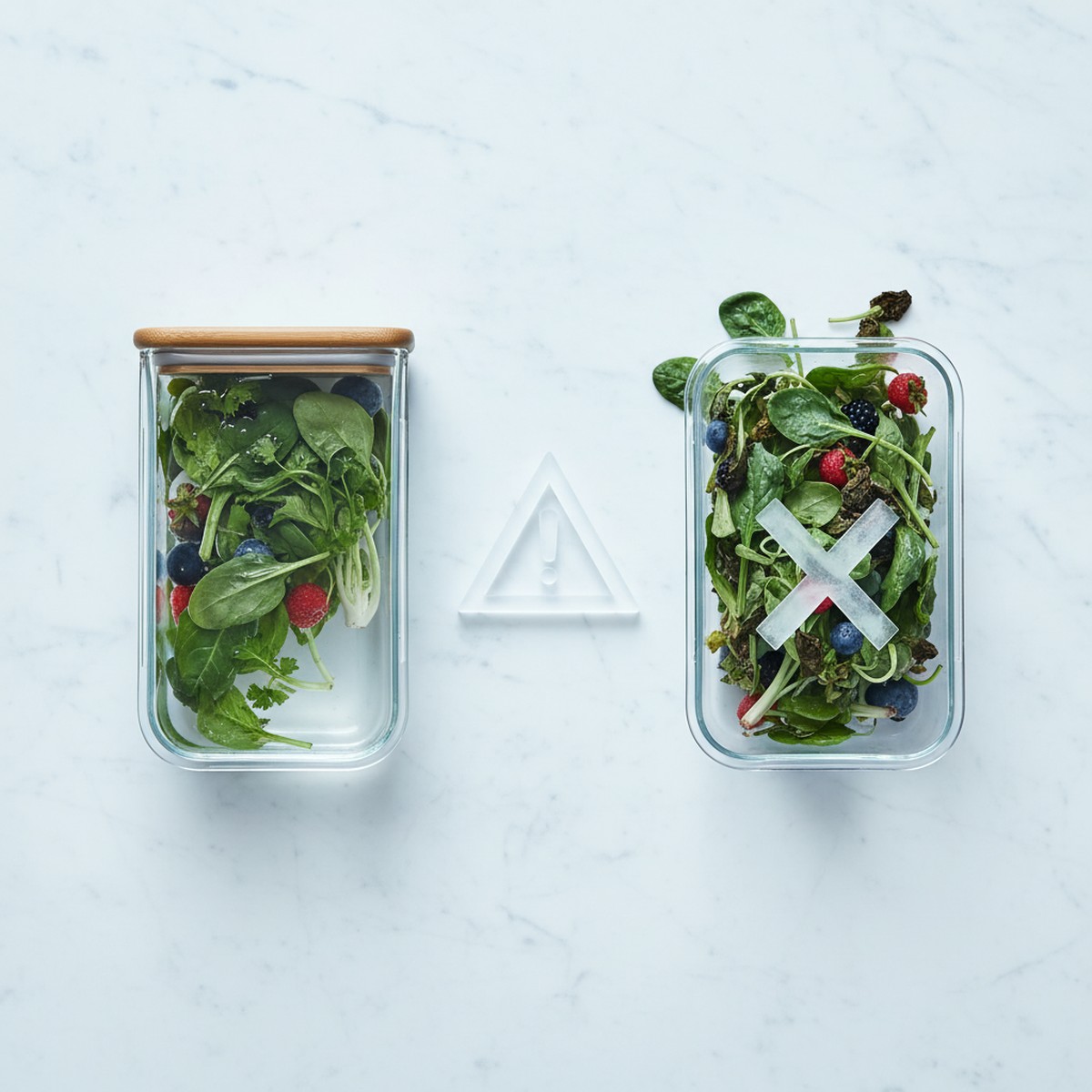
The core of this unusual kitchen habit lies in understanding temperature, humidity, and ethylene gas. Different produce items have different optimal conditions. Refrigeration slows down most spoilage processes, but for items sensitive to cold, like tomatoes (which are tropical fruits), it damages cell walls and enzyme activity, ruining flavor and texture. For herbs, moisture loss is the enemy, and a "vase" of water actively keeps them hydrated. For root vegetables, controlled humidity prevents sprouting and rotting, which the damp environment of a fridge often accelerates.
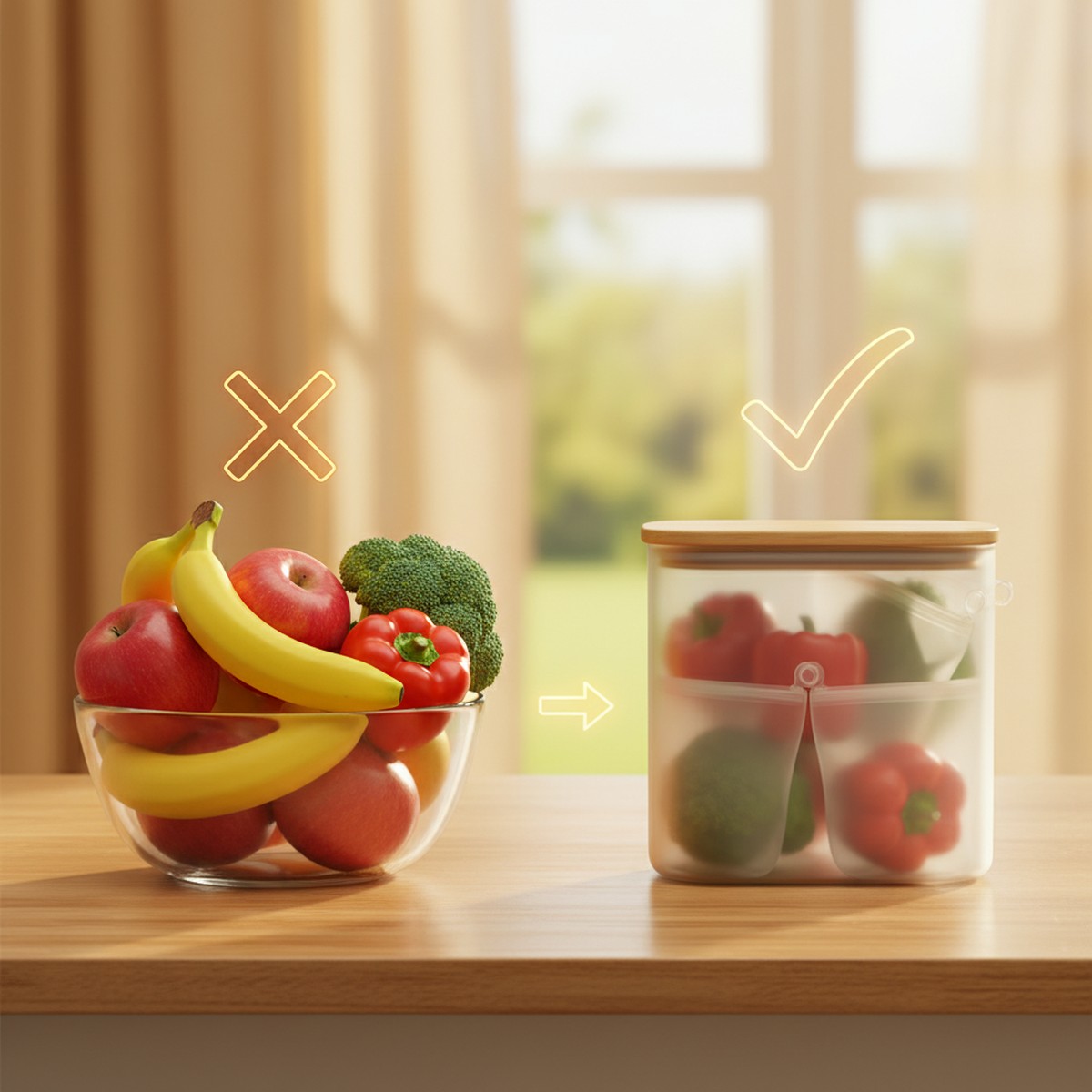
By adopting these visually counter-intuitive habits – leaving tomatoes on the counter, giving herbs a water bath, and finding specific dry, cool spots for root vegetables – you're not just being unconventional; you're actively engaging in smart food preservation. This strategy not only reduces food waste and saves money but also ensures your ingredients maintain their peak quality, flavor, and nutritional value for significantly longer. What looks wrong, is often the secret to a longer, fresher produce life.