 The Fresh Fix
Unlock lasting freshness for your produce.
The Fresh Fix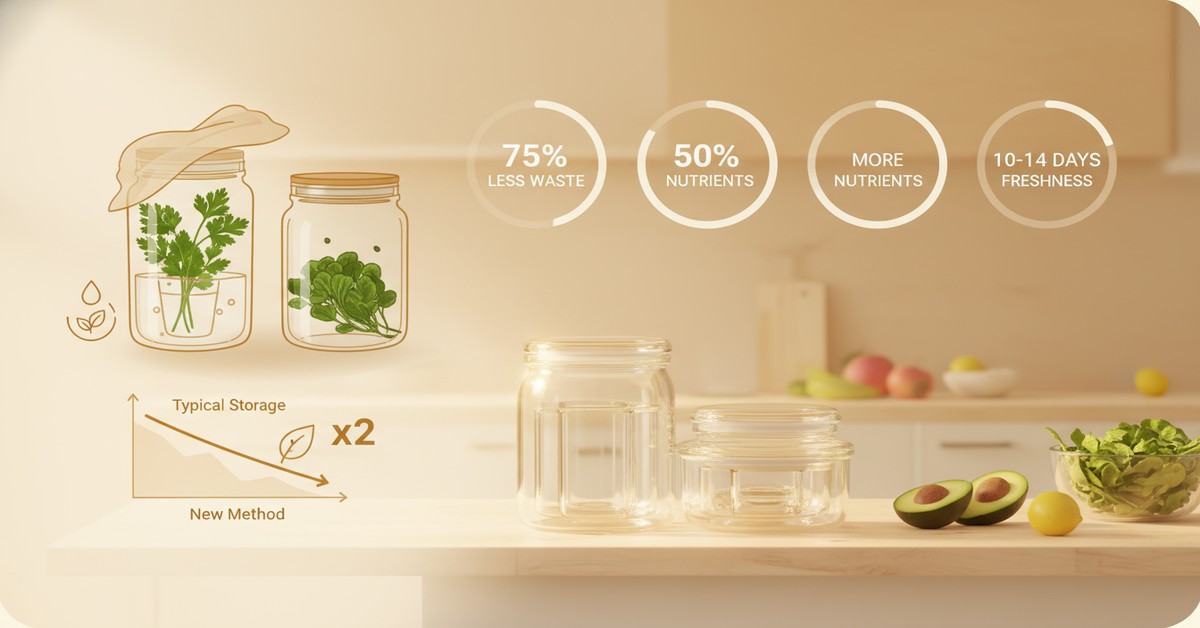
In kitchens across the globe, a silent battle is being waged against spoilage. We meticulously pick out the freshest produce, only for it to wilt, rot, or go bad far too quickly. While many believe refrigeration is the ultimate solution for everything, or that washing immediately upon purchase is best, an unusual habit, often perceived as incorrect, is gaining traction for its remarkable ability to double the lifespan of fruits and vegetables.
In kitchens across the globe, a silent battle is being waged against spoilage.
Our instincts often tell us to clean, chill, and seal everything. However, produce isn't a one-size-fits-all commodity. Different fruits and vegetables have unique storage requirements that, when misunderstood, can drastically shorten their freshness. The habit in question involves a re-evaluation of how and where certain items are stored, challenging the visual norms we've grown accustomed to.
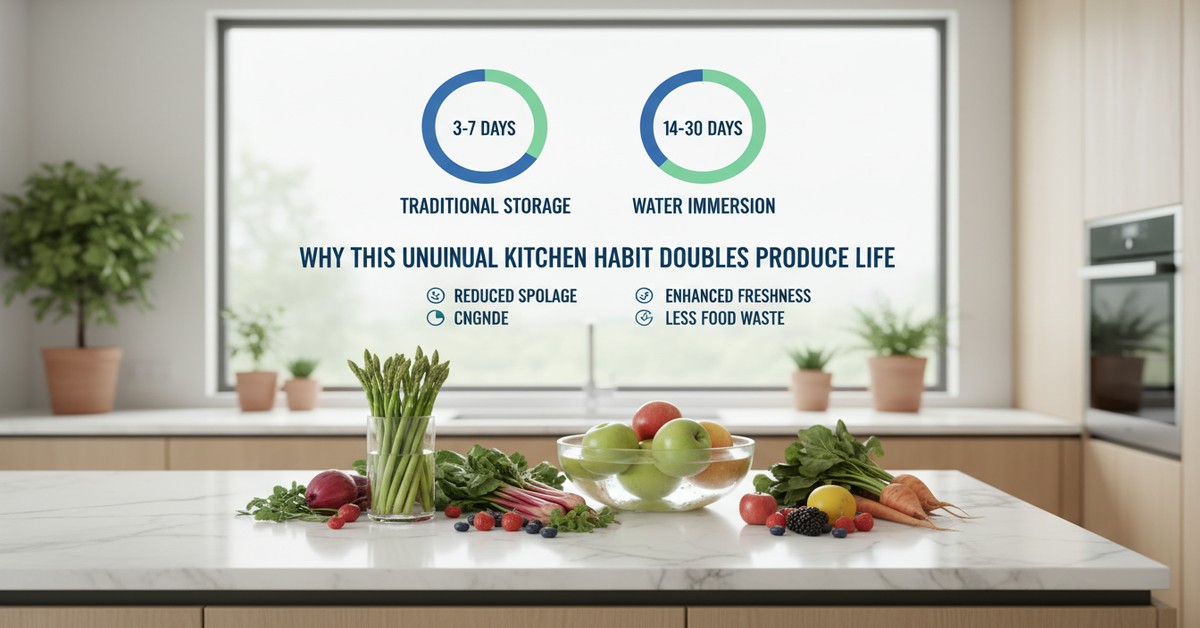
It's this kind of selective, almost backward approach to storage that embodies the principle of Why This Unusual Kitchen Habit Looks Wrong But Actually Doubles Produce Life. The visual challenge lies in overcoming the ingrained idea that certain items *should* be in a specific place or condition, when in fact, their biological needs are quite different.
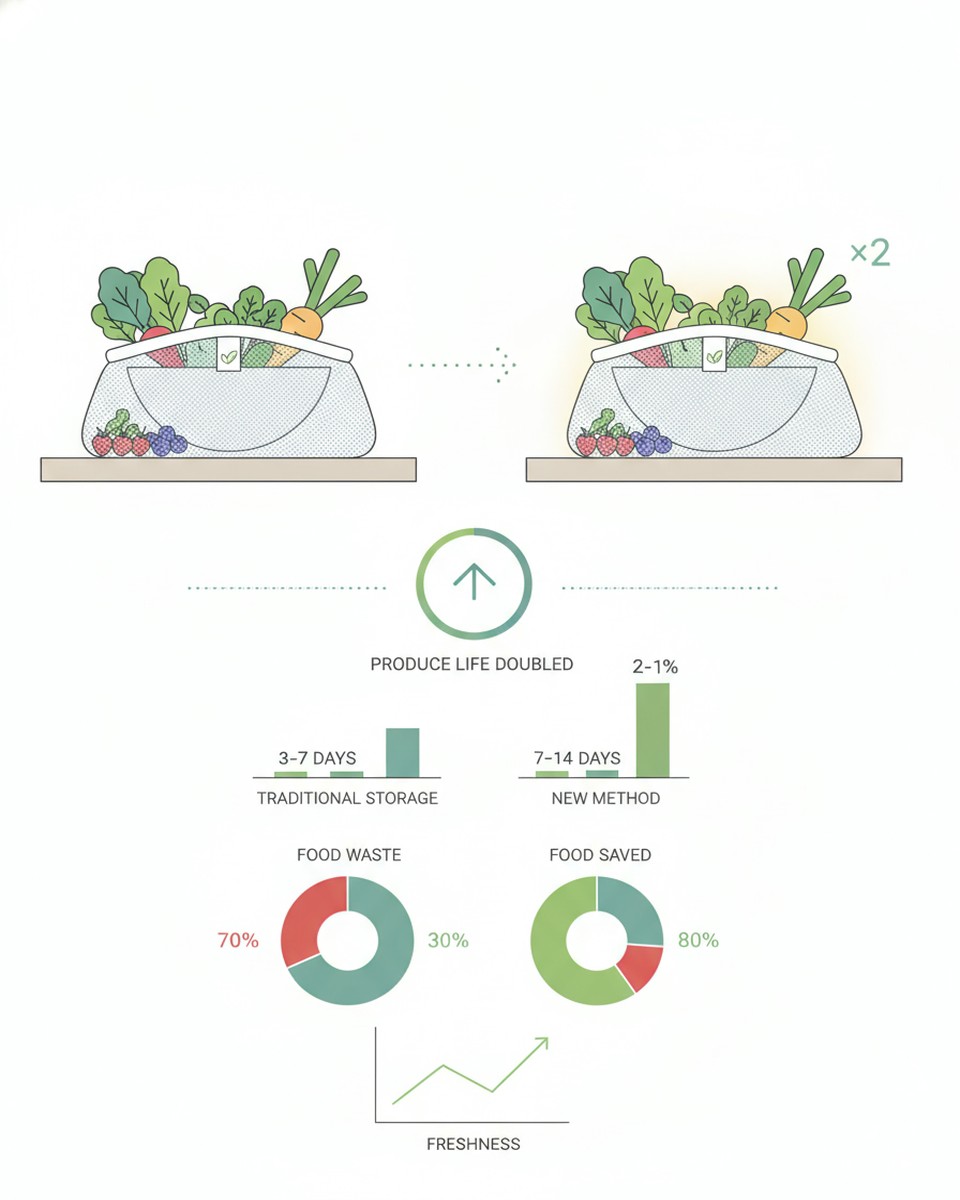
The effectiveness of these methods boils down to controlling key factors: moisture, temperature, and ethylene gas. Excessive moisture encourages bacterial growth and mold. Incorrect temperatures can disrupt cellular structure or speed up ripening. Ethylene, a natural ripening hormone, produced by some fruits (like apples and bananas), can prematurely ripen and spoil others if stored together.
For example, according to advice from Good Housekeeping, maintaining dry conditions for berries is paramount to preventing premature spoilage. Similarly, the U.S. Department of Agriculture (USDA) also highlights the importance of proper ventilation for items like onions and potatoes to prevent sprouting and rot.
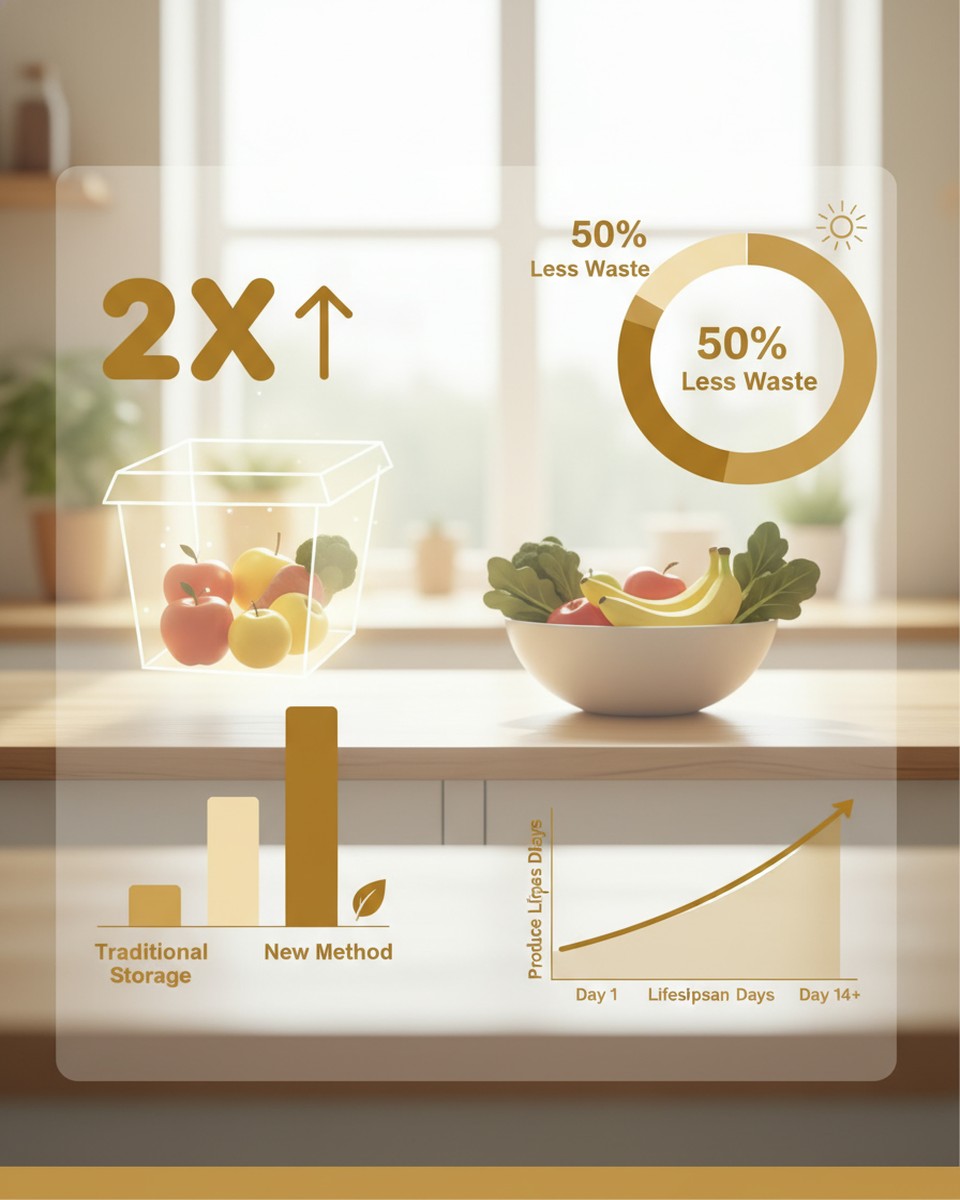
By adopting these counter-intuitive kitchen habits, you're not just getting fresher produce; you're actively combatting food waste. Doubling the life of your fruits and vegetables means fewer trips to the grocery store and significant savings on your household budget. It's a simple adjustment that yields powerful results, transforming your kitchen into a more efficient, less wasteful space.