 The Fresh Fix
Unlock lasting freshness for your produce.
The Fresh Fix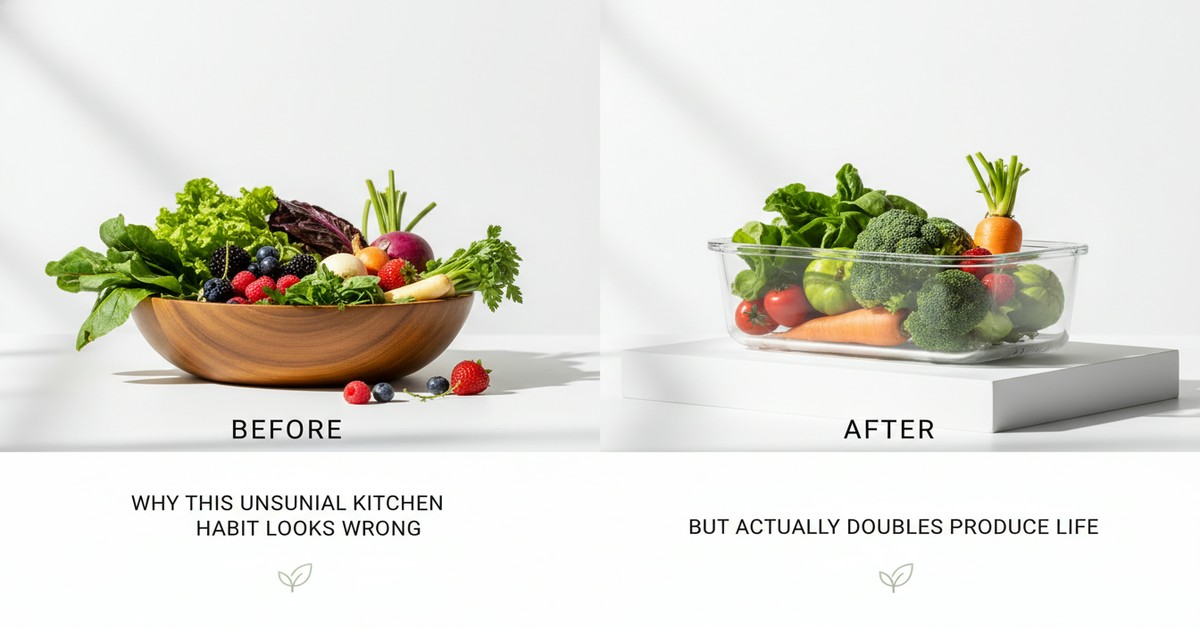
Walk into most kitchens, open the refrigerator or peer into a pantry, and you might notice a common arrangement of fruits and vegetables. For many, the instinct is to store all produce together, perhaps in a designated crisper drawer, or to neatly stack everything for a tidy appearance. But what if this seemingly sensible approach is actually cutting the life of your fresh produce in half?
There's an unusual kitchen habit that, at first glance, might look counter-intuitive, even a little bit "wrong" by traditional tidiness standards. We're talking about the deliberate separation and strategic placement of specific fruits and vegetables, often outside the refrigerator or in distinct zones. This habit, while visually less conventional, is precisely what allows for a dramatic extension of produce life, potentially doubling its freshness and significantly reducing food waste.
The core of this practice lies in understanding how different types of produce interact. Many fruits and vegetables release ethylene gas as they ripen. This natural plant hormone acts as a signal, encouraging other nearby produce to ripen faster. While useful for some items, it can be detrimental to others that are highly sensitive to ethylene, causing them to spoil prematurely. This is why a single apple placed next to carrots can accelerate the carrots' decline.
According to experts like those at Good Housekeeping, proper produce storage often involves breaking up the "all-together" visual. For example, high ethylene producers like apples, bananas, and tomatoes should generally be stored away from ethylene-sensitive items such as leafy greens, broccoli, and peppers. Furthermore, items like potatoes and onions prefer cool, dark, and dry environments, but should never be stored together, as gases from onions can cause potatoes to sprout faster. Garlic also thrives in similar conditions but away from potatoes.
Another "wrong-looking" habit involves humidity. While your crisper drawers are often labeled, many simply toss everything in. High-humidity drawers are ideal for leafy greens, while low-humidity is better for fruits like apples and pears. Some items, like asparagus or fresh herbs, even benefit from being stored upright in a glass of water on the counter – a sight that might seem odd but is incredibly effective.
The visual challenge, then, is to move beyond the aesthetic of uniform storage and embrace a more scientific approach. This might mean having certain fruits on the counter, others in a well-ventilated basket, and carefully segregating items within your refrigerator based on their ethylene production and humidity needs.
Adopting this habit, further explored in "Why This Unusual Kitchen Habit Looks Wrong But Actually Doubles Produce Life," transforms your kitchen into a produce-preserving powerhouse. You’ll spend less money and enjoy fresher ingredients longer. This visual organization shift yields huge returns in freshness and sustainability, as WikiHow also illustrates. Observe your current storage, identify ethylene producers, and visually challenge your assumptions about "neat" for produce.